
???? What's Korean Food?
페이지 정보

본문
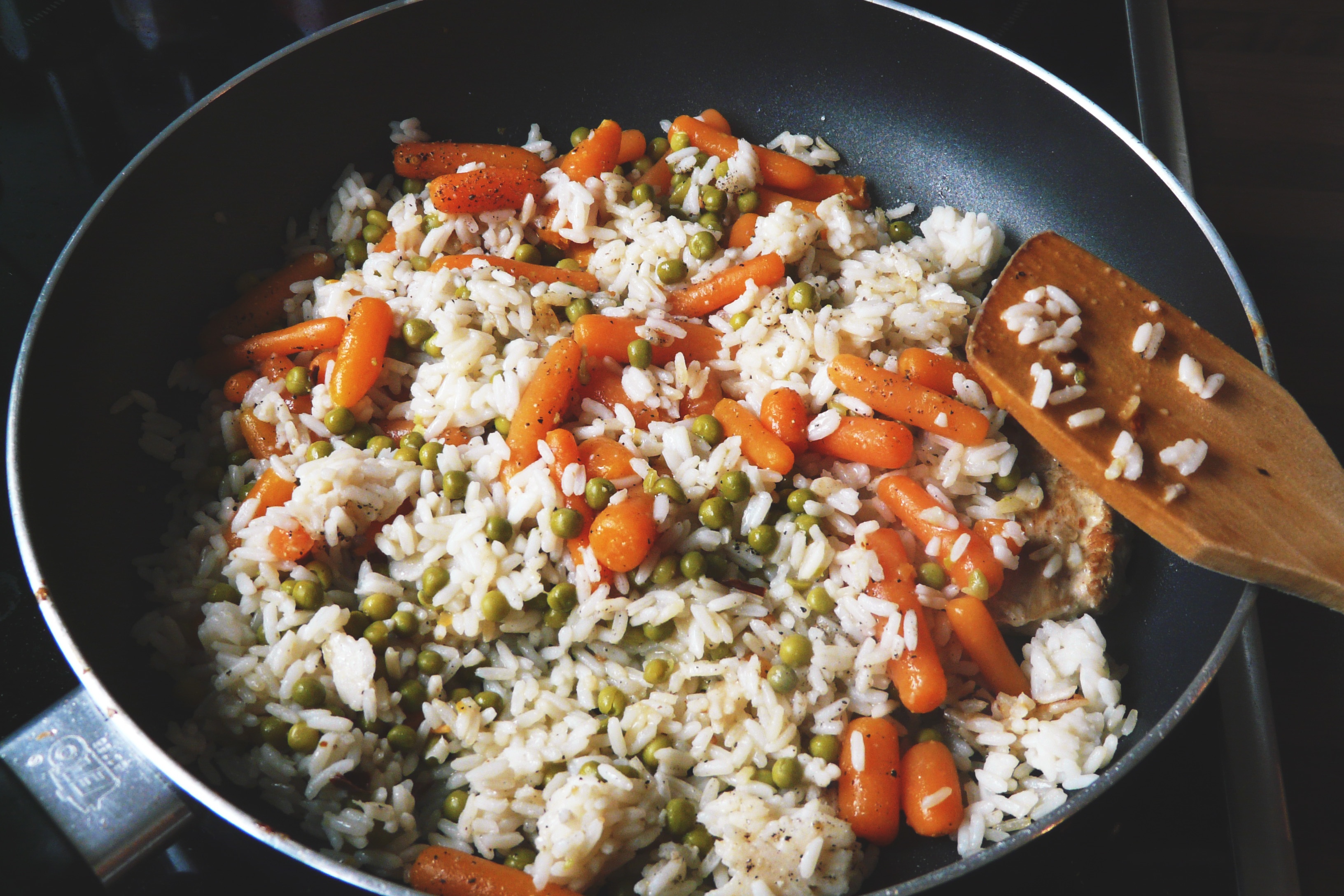
What is rice paper? Rice paper is a particularly versatile ingredient that can be used for every little thing from wrapping spring rolls or dumplings, grilling up as a cracker, or rolling up summer time rolls. Some ideas for facet dishes embody warm Pita, Rice Pilaf, Shirazi Salad, Tzatziki sauce, Torshi, and Baba Ganoush. Home-cooked meals, specifically specializing in the meticulous each day curation of "banchan" (small facet dishes), have constantly remained absolutely the pounding coronary heart of conventional family dining. Perfectly steamed short-grain rice (bap) naturally serves as the absolute foundational staple of every single meal setup, accompanied by a dynamic rotation of seasonal facet dishes that guarantee a visually placing and nutrient-dense presentation based mostly on the ancestral pointers of "obangsaek" (the five conventional colors: white, black, crimson, blue/green, and yellow). They are engineered to offer a balanced medley of contrasting temperatures, lively textures, and essential probiotics (like kimchi) to perfectly complement the person principal bowl of impartial rice.
 The nutritional equilibrium achieved across a traditional bapsang is very celebrated in modern health sciences, precisely balancing clear carbohydrates, plant-based mostly fibers, full proteins, and energetic probiotics on a single floor. Yet, fairly than remaining static or rigidly mounted in historical customs, Hansik has developed with unbelievable pace, blending centuries-previous flavor bases with international culinary ideas, superior kitchen technologies, and modern pop culture trends. These historical fermented elements effortlessly deliver out a deep, savory umami that lingers on the palate, perfectly illustrated by the wealthy, velvety broths of a bubbling kimchi jjigae or the robust, rustic depth of a comforting doenjang-guk. Sticking chopsticks vertically right into a white rice bowl resembles historical ancestral funeral incense choices, so it have to be avoided in any respect prices to forestall severe bad luck symbolism. Red-label rice flour is milled from common rice (on the label "bột tẻ" means plain flour in Vietnamese)-that’s the rice flour for a batch of my bánh cuốn, Vietnamese rice rolls.
Ever had Vietnamese spring rolls? Through the recent spring months, vibrant mountain greens like namul are eagerly harvested to cleanse the physique, whereas the blazing summer season months name for ice-cold buckwheat noodles (naengmyeon) to fully refresh the biological system. This beautifully organized dish options a warm bed of white rice crowned with an array of individually sautéed mountain vegetables, savory seasoned beef, a single fried egg, and a dollop of spicy gochujang paste, requiring the diner to vigorously combine the components together to fuse the contrasting textures right into a glorious, unified flavor profile. This philosophical shift left a everlasting, stunning mark on conventional temple meals, inspiring the highly artistic and numerous use of wild mountain vegetables that continues to thrive in the present day. Historic Korean temple food is 100% strictly vegan, though casual diners should always confirm that individual banchan aspect dishes exclude hidden anchovy broths or fermented fish sauces. Later, throughout the illustrious Joseon Dynasty (1392-1897), the overall culinary structure turned extremely formalized, giving delivery to the classic idea of "bapsang"-a meticulously organized meal layout centering on a hot bowl of rice, a supportive soup, and an array of balanced side dishes. A: Absolutely not. While iconic stews and street foods depend on spicy gochujang and gochugaru heat, Hansik provides a large array of deeply comforting, utterly mild options comparable to savory beef quick rib soup (galbitang), mild marinated beef bulgogi, and clean rice-based bapsang assortments.
Q4: What particular cultural objective does the broad array of shared "banchan" facet dishes serve during a meal? Sitting proudly at absolutely the middle of every bapsang is a scorching, particular person bowl of short-grain sticky rice, flanked straight by a supportive soup or heavy stew, which is then surrounded by a rotating constellation of diverse shared aspect dishes known as banchan. These highly anticipated occasions prominently showcase traditional rice cake soup (tteokguk), beautifully pan-fried savory egg pancakes (jeon), and glossy stir-fried glass noodles (japchae). Amazake is a non-alcoholic beverage made from fermented rice that’s protected for kids to enjoy.The Japanese time period "nomu tenteki" actually means "drinking the IV drops", which are excessive in nutrients. This versatile and reasonably priced grain, however, might be a good source of nutrients. Or you possibly can choose a low-sugar sports drink. During outstanding national holidays like Chuseok (Korean Thanksgiving) or Seollal (Lunar New Year), multi-generational households gather to meticulously prepare massive culinary feasts that can characteristic dozens of particular person dishes. A standard Korean dining experience is an incredibly unique communal event slightly than a sequential collection of particular person courses. Reaching across to pick from the central bowls utilizing your steel chopsticks or individual spoons is totally normal, however double-dipping or selecting by means of the food is a severe social error.
- 이전글성인약국 비아그라 운동 습관과 혈관 건강의 관계 26.08.28
- 다음글비아그라 구매 후 배송은 얼마나 걸리나요? 26.08.28
댓글목록
등록된 댓글이 없습니다.